
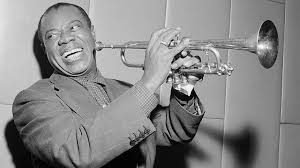
Louis Armstrongs Influence on Modern Jazz and Pop Music
Louis Armstrong, often referred to as "Satchmo" or "Pops," stands as one of the most iconic figures in the history of music, particularly in the realms of jazz and pop. Born in New Orleans in 1901, Armstrong's extraordinary talent and infectious personality revolutionized the way jazz was perceived and performed. His innovative approach to music not only helped to lay the groundwork for modern jazz but also heavily influenced pop music's evolution throughout the 20th century and beyond. Armstrong's immense contribution to music is celebrated today, not just through his recordings but also through dedicated establishments like the Louis Armstrong shop, which offers fans a chance to connect with his legacy.
Armstrong's Unique Sound
One of the defining characteristics of Louis Armstrong's influence on modern music is his distinctive sound. His virtuosic trumpet skills combined with his gravelly, expressive voice set a new standard for musicianship. Armstrong's ability to convey deep emotion through his performances forged a new pathway for future artists; many pop singers and jazz musicians cite him as a significant inspiration. His innovative use of rhythm, improvisation, and techniques such as “scat singing” introduced a playful yet complex style that has informed countless genres, including pop music. Artists ranging from Frank Sinatra to modern legends like Norah Jones have incorporated elements of his style into their work, demonstrating his lasting impact on the musical landscape.
The Birth of the Soloist
Moreover, Louis Armstrong helped to establish the role of the soloist within a band, a concept that has become critical in both jazz and pop music today. Before his rise to prominence, collective improvisation was more common, with no single musician taking the spotlight for extended periods. Armstrong changed that with his dynamic solos; he created moments that allowed his individual artistry to shine. This shift led to the idea of the lead performer in bands, a trend seen in pop music’s star-driven system. Every pop icon, from Michael Jackson to Beyoncé, owes a debt to Armstrong's groundbreaking approach to performance, which set the stage for solo artists to dominate the music scene.
Legacy and Modern Relevance
The legacy of Louis Armstrong transcends generations, making him a predominant figure in both the jazz and pop music industries. Posthumously, his influence continues to resonate; artists today often return to his recordings to draw inspiration and study his techniques. The revival of jazz elements in pop music, from the resurgence of big band sounds to the incorporation of improvisational elements, often traces back to the foundations laid by Armstrong. In cities around the world, jazz clubs and music festivals continue to celebrate his contribution, ensuring that new generations of musicians embrace and learn from his artistry.
Connecting with Armstrong's Legacy
For fans wanting to explore the profound impact of Louis Armstrong, the Louis Armstrong Shop serves as a treasure trove of memorabilia and resources celebrating his life and work. The shop offers everything from collectible items to books detailing Armstrong’s extraordinary journey through the music industry. It provides a unique opportunity for enthusiasts to engage with his legacy, ensuring that his influence will not only endure but will also inspire future musicians. By immersing oneself in the world of Louis Armstrong, fans can appreciate how a man from humble beginnings became a titan of music, and how his artistry continues to echo within modern jazz and pop.


